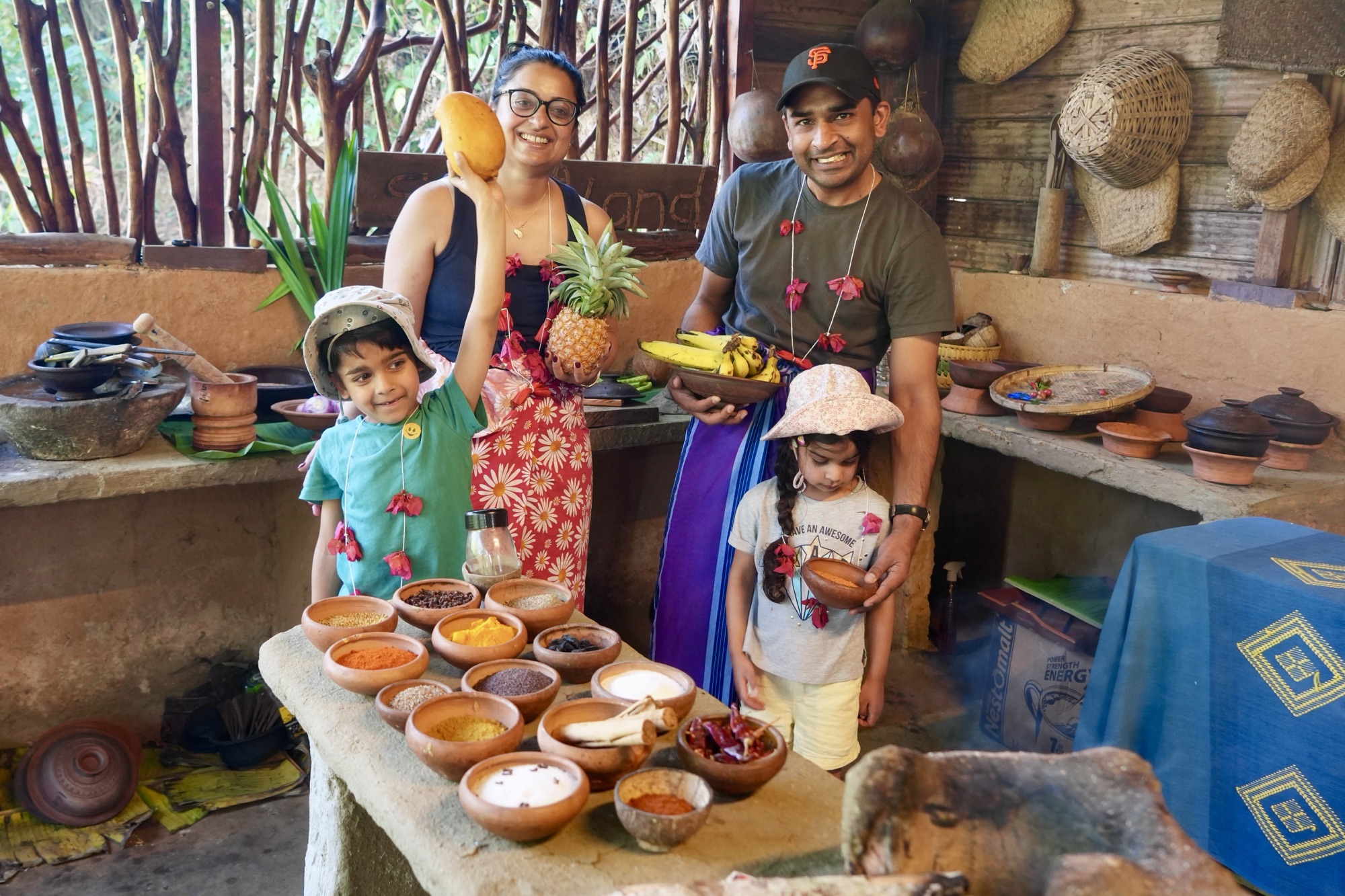
Sri Lanka Village Cooking Experience: Garden to Plate
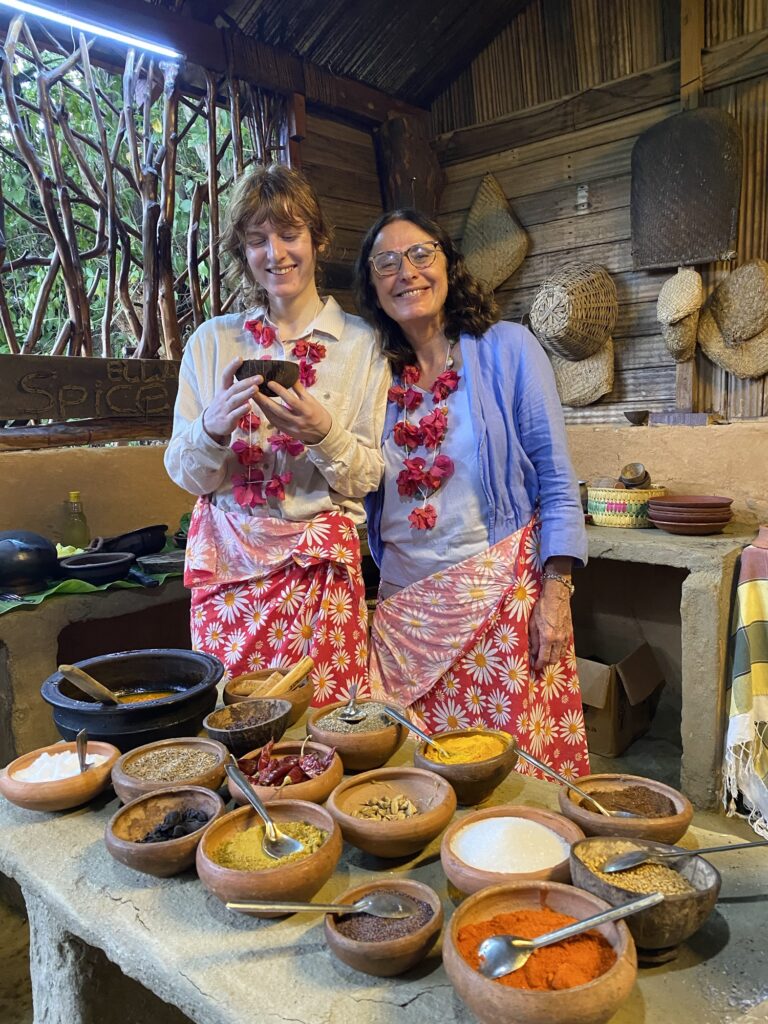
Most food tours hand you a plate. This one hands you a basket first.
Before you taste a single spoonful of Sri Lankan rice and curry, you’re standing in a home garden with soil on your fingers, picking the very vegetables that will end up on your plate an hour later. That’s how a real Sri Lankan village cooking experience should start not in a restaurant kitchen, but in the ground.
This is exactly where we take you. Off the tourist trail, into a village home garden, and straight through to a dining table you’ll remember long after you’ve left the island.
Where Every Great Sri Lankan Meal Actually Begins
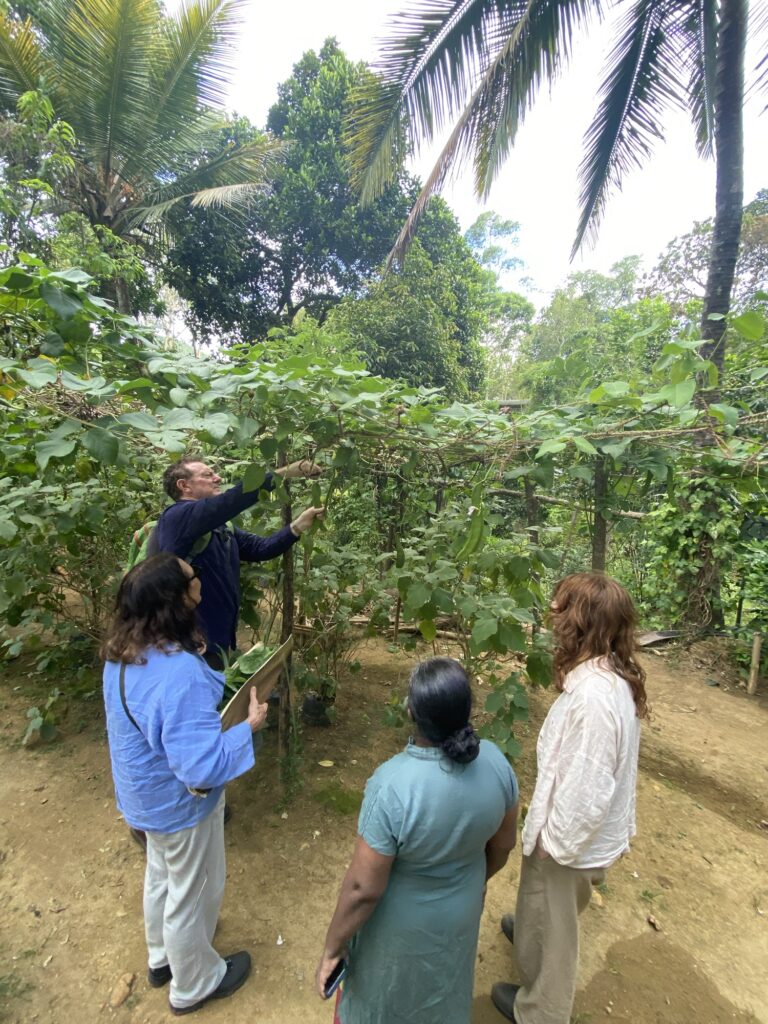
Forget the supermarket shelf. In rural Sri Lanka, dinner starts with a walk through the garden. Together with your local host, you’ll wander between banana trees, chilli bushes, and rows of leafy greens, picking whatever’s ripe that day: fresh herbs, home-grown vegetables, maybe a coconut or two straight off the tree.
It sounds simple. It isn’t, really. There’s something quietly powerful about knowing exactly where your food came from not a label, not a shelf, but a garden someone tends with their own hands, in their own backyard.
Into the Village Kitchen: A Live Cooking Demonstration
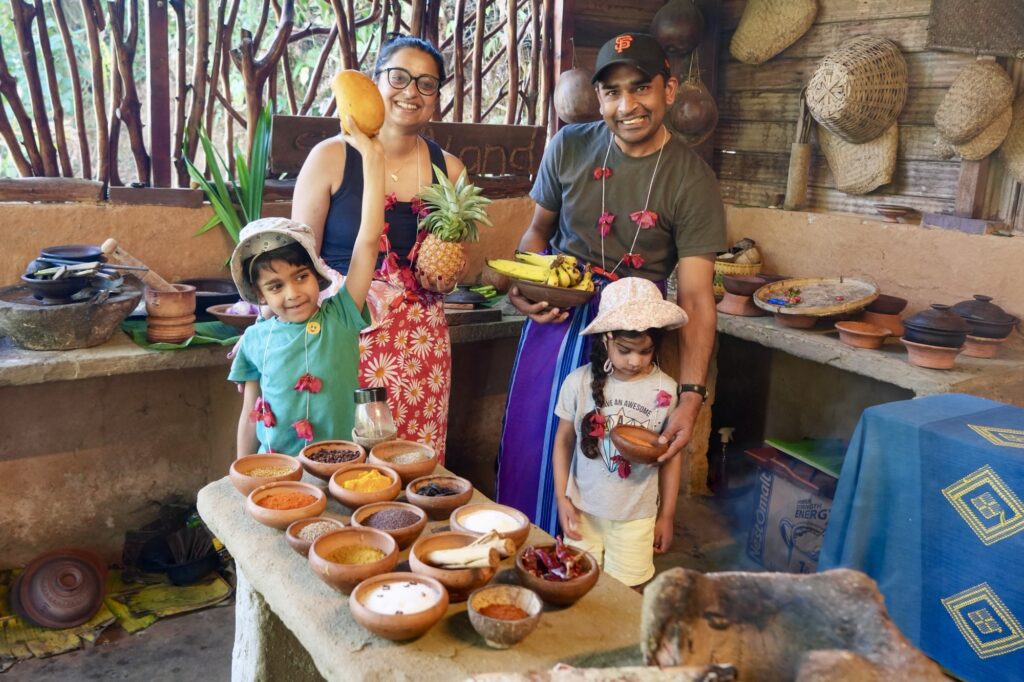
Basket full, you’ll head into a traditional village kitchen the kind with a wood fire, a clay pot, and generations of know-how behind every stir. This is where the authentic Sri Lankan rice and curry come together, right in front of you.
Your host doesn’t just cook while you watch. You’re pulled in, grinding spices, scraping coconut, stirring the pot as the smell of cumin, curry leaves, and coconut milk fills the room. It’s loud, it’s fragrant, and honestly, it’s a lot more fun than reading a recipe card.
The Real Secret Behind Sri Lanka’s Rice and Curry
Ask ten Sri Lankan cooks how they make curry and you’ll get ten different answers, and that’s the point. This isn’t a rigid recipe; it’s an inherited instinct, passed down without measuring spoons or written instructions. Freshly roasted spices, coconut milk simmered slowly, and vegetables picked that same morning that combination is what separates a village-cooked curry from anything you’ll find on a restaurant menu.
You’ll leave understanding why Sri Lankans take their rice and curry so seriously. It’s not just a meal. It’s practically a family heirloom.
Then Comes the Best Part: Sitting Down Together
Once the last curry hits the table, you sit not as a tourist being served, but as a guest who helped make the meal. You’ll share the table with your hosts, swap stories, and eat food that still has the warmth of the fire in it.
This is where the experience turns into something else entirely. Not a cooking class. A conversation. A shared meal with people who opened up their home, their garden, and their kitchen to a stranger who, by the end of lunch, doesn’t feel like one anymore.
More Than a Cooking Class: A Window Into Village Life
What makes this farm-to-table experience different isn’t the food alone; it’s everything around it. You’ll see how a rural Sri Lankan household actually runs day to day: the garden that feeds a family, the kitchen where recipes get passed down instead of written down, and the hospitality that Sri Lanka is quietly famous for.
It’s slower than a typical tour. It’s also far more honest.
Ready to Taste the Real Sri Lanka?
From the garden to the kitchen to your plate, this is Sri Lanka the way locals actually live it, not the version printed in a guidebook.
Come hungry. Leave with a story to tell. This is one of the journeys we’re proud to offer — a village cooking experience that starts with dirt under your nails and ends with a memory you’ll carry home.
Frequently Asked Questions
What is a Sri Lanka village cooking experience?
It’s a hands-on culinary tour where you pick fresh produce from a local home garden, then cook a traditional Sri Lankan meal — usually rice and curry — with a village host in their own kitchen.
Do I need cooking experience to join?
Not at all. Your host guides you through every step, from picking ingredients to preparing the curry, so it’s suitable for complete beginners.
What dishes will I cook and eat?
Typically a full Sri Lankan rice and curry spread — a mix of vegetable curries, coconut sambol, and other dishes made from what’s freshly harvested that day.
Where does this experience take place?
In a village home garden and traditional kitchen, away from the usual tourist areas, hosted by local families.